
Essential Maintenance Tips for Scuba Gear
Scuba diving opens up a world of underwater exploration, but to enjoy this adventure safely, maintaining your scuba gear is crucial. Proper care not only extends the life of your equipment but also ensures your safety while diving. In this post, we will cover essential maintenance tips for your scuba gear, helping you keep it in top condition for your next dive.

Understanding Your Scuba Gear
Before diving into maintenance tips, it's important to understand the main components of your scuba gear. Each piece serves a specific purpose and requires different care:
Mask: Provides clear vision underwater.
Fins: Help you move efficiently through the water.
Wetsuit/Drysuit: Keeps you warm and protects your body.
Regulator: Supplies air from your tank.
BCD (Buoyancy Control Device): Helps you control your buoyancy.
Tank: Holds the compressed air you breathe.
Understanding these components will help you appreciate the importance of proper maintenance.
General Maintenance Tips
Rinse After Every Dive
One of the simplest yet most effective ways to maintain your scuba gear is to rinse it with fresh water after every dive. Saltwater, sand, and other debris can cause corrosion and wear over time. Here’s how to do it:
Rinse your gear: Use a hose or bucket to rinse your gear thoroughly, paying special attention to the regulator, BCD, and fins.
Avoid soaking: While rinsing is important, avoid soaking your gear in water for extended periods, as this can lead to damage.
Dry Properly
After rinsing, it’s essential to dry your gear properly to prevent mold and mildew growth. Here are some tips:
Air dry: Hang your wetsuit, BCD, and other gear in a shaded area with good airflow. Avoid direct sunlight, which can degrade materials.
Store properly: Once dry, store your gear in a cool, dry place. Avoid folding your wetsuit; instead, hang it to maintain its shape.
Specific Maintenance for Key Components
Caring for Your Regulator
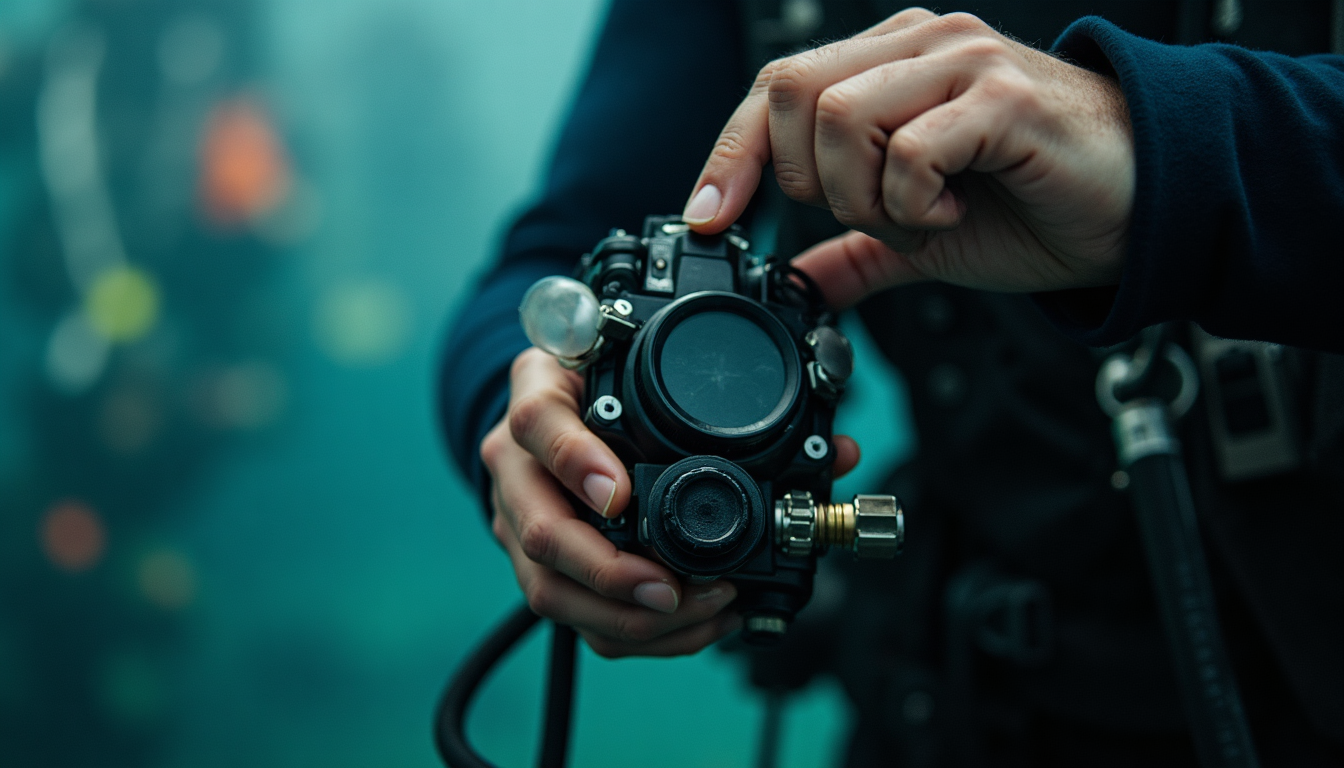
Your regulator is a critical piece of equipment that requires special attention. Here are some maintenance tips:
Annual servicing: Have your regulator serviced by a professional at least once a year. This ensures that all components are functioning correctly and safely.
Inspect O-rings: Regularly check the O-rings for wear and tear. Replace them if they appear damaged to prevent air leaks.
Maintaining Your BCD
Your BCD is essential for buoyancy control, so keeping it in good condition is vital. Consider the following:
Check for leaks: Inflate your BCD and check for leaks by submerging it in water. If you see bubbles, it may need repair.
Clean the inflator: Use a mild detergent to clean the inflator mechanism. This prevents sticking and ensures smooth operation.
Wetsuit and Drysuit Care
Both wetsuits and drysuits require specific maintenance to keep them functional:
Rinse with fresh water: After each dive, rinse your wetsuit or drysuit with fresh water to remove salt and debris.
Store flat or hang: Avoid folding your suit, as creases can weaken the material. Hang it on a wide hanger or store it flat.
Regular Inspections
Visual Checks
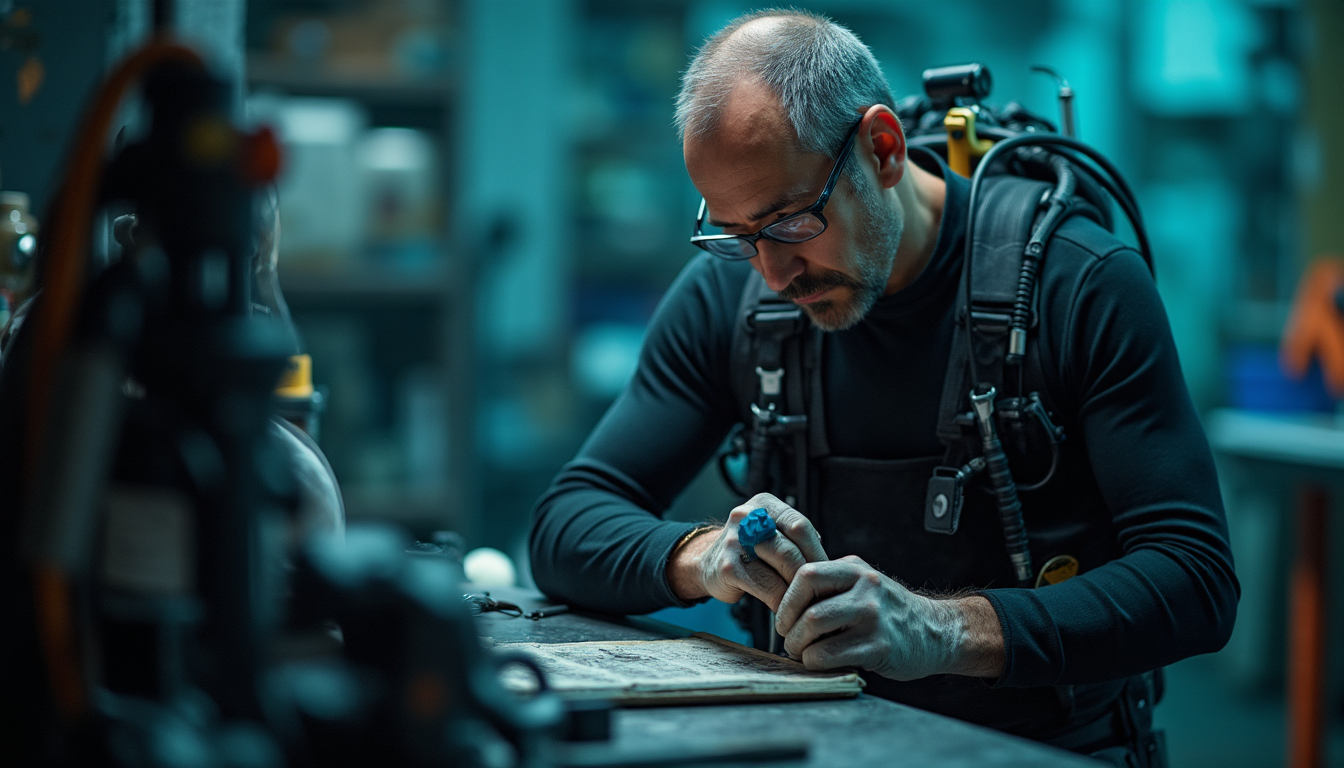
Perform regular visual inspections of your gear to catch any potential issues early. Look for:
Cracks or tears: Inspect your mask, fins, and wetsuit for any signs of damage.
Corrosion: Check metal components, such as buckles and clips, for signs of corrosion.
Functional Tests
In addition to visual checks, perform functional tests on your gear:
Test your regulator: Before diving, ensure your regulator is functioning correctly by checking the airflow.
Inflate your BCD: Make sure your BCD inflates and deflates properly.
Storing Your Scuba Gear
Proper storage is crucial for maintaining the integrity of your scuba gear. Here are some tips:
Avoid extreme temperatures: Store your gear in a climate-controlled environment, away from extreme heat or cold.
Use gear bags: Invest in a quality gear bag to protect your equipment from dust and damage.
Conclusion
Maintaining your scuba gear is essential for ensuring your safety and enjoyment while diving. By following these essential maintenance tips, you can extend the life of your equipment and dive with confidence. Remember to rinse your gear after every dive, perform regular inspections, and store it properly. With a little care, your scuba gear will be ready for your next underwater adventure.
Now that you know how to care for your scuba gear, it’s time to put these tips into practice. Happy diving!
Comments